Why hiking is good for people over fifty
People in their fifties often rethink their lives. Daily routines change and health becomes a main concern. Hiking is a gentle activity that than fits elderlies best. Unlike gyms or team sports, with their speed and intense style.
The calm pace of hiking is not only easier on joints but also supports clearer focus. Unlike chaotic indoor settings, trails offer quiet repetition. This natural rhythm is why many find walking outdoors a kind of moving meditation. On many sites and forums, including https://om.1xbet.com/en, people often mention hiking as a simple way to stay fit without strain.
Those who start hiking later in life tend to continue it. Nature walks need no gear and not much planning. In countries with trails, hiking is still a simple wellness choice for older people.
Better mobility, less pressure
Hiking involves steady steps on uneven surfaces. That movement activates muscles that standard paths ignore. Many older adults report improved balance within two months of regular trail walking. The body adapts to different terrain, helping prevent common falls that often begin with poor footwork.
Hiking is also easier on the knees than pavement jogging. Trails absorb pressure, especially when walking downhill. For people who have had previous joint pain, this soft ground is vital. It allows continuous movement without flaring up older injuries.
Walking makes your bones to stay strong. And sun while you walk gives your body vitamin D. That helps you soak up calcium.
Thinking Clearly
Outdoor movement has cognitive benefits. A 2021 study by Stanford University showed that walking in nature improved memory recall by nearly 20% in participants over fifty. This happens because the brain responds differently to green environments than to buildings or screens.
Long trails often involve gentle concentration. Watching the path, noticing changes in ground texture, and staying alert to surroundings keep the brain active. Unlike TV or scrolling, it demands slow attention.
Many hikers report better sleep after walks. Part of this comes from fresh air exposure. However, the deeper reason is rhythm. Regular hiking is suspected of retraining the body to align with a natural rhythm of activity and supporting good sleep.
Mood stability and autonomy
For those over fifty, whose stress may involve family care or post-career adjustment, this relief matters.
Hiking also gives a strong sense of self-direction. There is no coach, no schedule. Just a decision to go. That control supports better mood management, especially in a period of life where change often feels imposed.
In group settings, hiking offers safe social interaction. Unlike crowded events, walking in nature allows talk without pressure. Silence feels natural between trees. This balance helps those who want community without noise.
Useful gear for over-fifties
Hiking remains simple, but a few gear choices make it safer for older users:
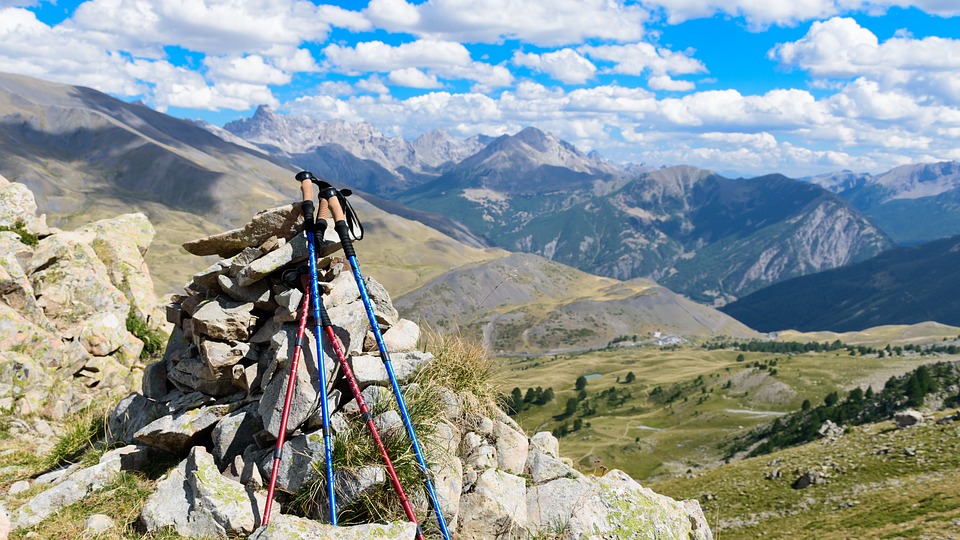
- Lightweight walking poles for joint support on uneven trails
- Breathable clothes help you adjust to changing weather.
- Trainers with good grip.
- Sun hats.
- Long-sleeved shirts.
- Water packs for hands-free on long trips.
These items do not change the experience but make longer walks more comfortable and safe. Another good idea is smart glasses, because such transparent electronics help you monitor your body’s health and not be distracted from the road.
Small goals, big health returns
Building a routine with simple hikes leads to measurable health shifts.
Common improvements after one season of regular hiking:
- 8% drop in resting blood pressure (based on Harvard Health data)
- 12% improved lung efficiency in ex-smokers
- Better blood sugar control in early-stage diabetics
- 25% lower reported symptoms of mild depression
Those numbers show what slow effort can achieve over time. Unlike intense sports, hiking relies on habit rather than challenge.
A hobby that adapts with age
As years pass, preferences change. Trails can still match energy levels. In the fifties, many hikers enjoy elevation or longer paths. In their sixties and seventies, focus shifts to flatter ground and scenic consistency. The hobby adjusts with no need to stop.
Urban green belts or coastal trails all offer different rhythms. Many older hikers say that choosing the trail becomes part of their self-care ritual. It reflects how they feel that week – brisk or calm, silent or sociable.
One-time hikers often become lifelong walkers. That is the quiet impact of trail movement. It fits almost every mood or schedule. For over-fifties, this flexibility is not just helpful. It is essential.
Confidence through repetition
Repeating a known path builds trust. That is why many people over fifty prefer walking the same trail several times. It reduces decision fatigue and offers a predictable window for reflection.
As the body adapts, so does the mind. Confidence grows in subtle ways. Walking alone becomes normal, not strange. Following new trails feels like a quiet achievement. That shift in mindset is often more lasting than any physical benefit.
This is why hiking matters. It does not demand transformation. It supports what is already there – stability, focus, movement. And for those entering a slower but richer phase of life, that is more than enough.