In the UK, we’re immensely proud of our sporting culture. The Three Lions have become a powerhouse in world football again. Our football pyramid is unrivalled in the sport, and we also excel in other sports, such as cricket and rugby. Part of what it is to be British is to embrace the many different sports and competitions throughout these isles.
Football has long dominated the country’s sporting focus for centuries. The sport was first codified and professionalised on these shores, after all. However, as a nation with such an eclectic and rich mash of cultures, our favourite sports to participate in are always changing, with new pastimes and activities entering the fray on a regular basis.
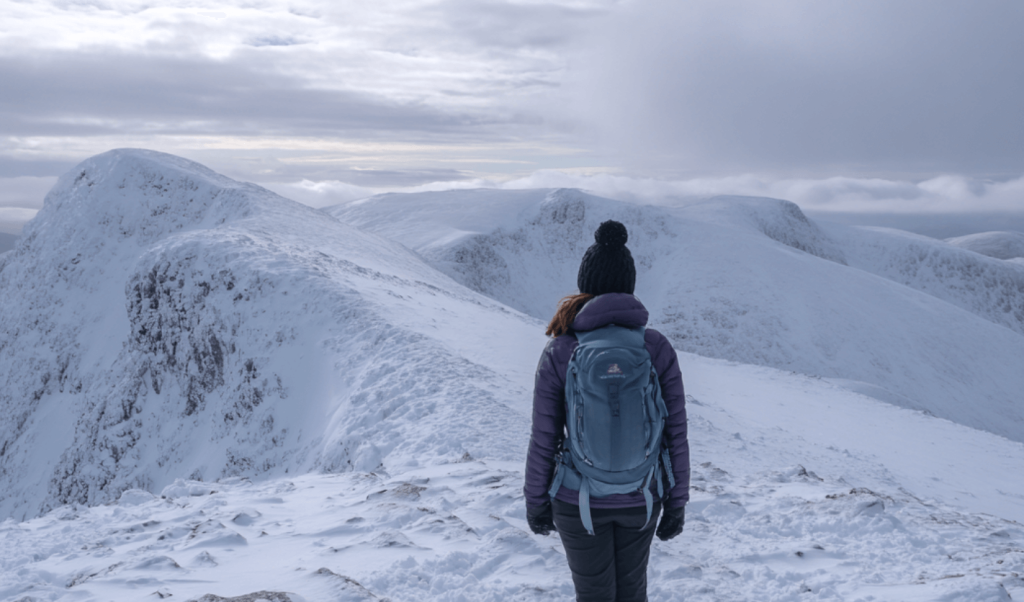
Hiking, seen as both an excellent form of exercise and a relaxing pursuit, is now fast becoming a sport for us Brits. It’s no longer a means to an end, or an aimless meander through the countryside. Instead, it has become a competitive pursuit, with an increasing number of participants across the country.
The Great Outdoors as a Cultural Touchstone
Participating in exercise and sports is key to our overall well-being and enjoyment. For many, the muddy pitches of the Hackney Marshes are football, with crunching Sunday League tackles a prerequisite for their participation. The countryside is just that for hiking and hill walking. In fact, it is a part of our cultural DNA on a wider scale, with the media regularly turning to the green and fertile lands for inspiration.
It’s evident in our film and TV, with shows like Midsomer Murders and even the Downton franchise setting their narratives in rural areas, with much of the ‘action’ taking place amidst rolling hills and green pastures. “Heartbeat” was once one of the most popular soaps in the UK, not just for its 60s theme, but also for its setting in the Goathland countryside.
The same is now true for gaming, especially in the iGaming sector. If you were to play a slot game in the UK, you would notice a wide range of different themes. However, notable among them is the countryside. Take, for example, Leprechaun Hills. It’s obviously more inspired by Ireland, but its popularity in the UK is evidence of a cultural connection to the great outdoors.
Unprecedented Growth in Participation for Hiking and Hill Walking
It’s important not to lose sight of the fact that all sports are only as strong as their participation numbers, and hiking and hill walking are experiencing record highs. According to UK data on sports participation in England, the number of people enjoying our hilly landscapes for exercise has increased by 40% since the data was first collected in 2015. That was a growth of more than 1 million people, from 2.46 million to 3.58 million.
To put that into perspective, the same survey found that the number of people participating in any team sport was just 3.4 million. That means that hill walking has become more popular than all of the most popular sports associated with the country combined, such as rugby, football, and cricket. If you asked anybody what they thought Brits were doing for exercise, they would have likely picked one of those.
The post-pandemic world has ultimately changed the way we interact with sport. The isolating nature of quarantines meant that solo sports took precedence, with team sports having to be shelved until it was safe to take part in them. From that, we saw a more competitive outlook on all sorts of sports, with apps like Strava allowing even amateur participants to compare times and ‘scores’.
What is the Future for Hill Walking and Hiking in the UK
It remains to be seen whether there will be a return to baseline for hiking to its pre-pandemic levels. As we progress further from 2020 and the boom in socially distant exercise, it is possible that participation will drop. However, the growth in hiking clubs could help encourage even the least diehard to remain.
Even if it does drop to a more regular level – or even below – it can’t be argued that the 2020s weren’t the decade of hiking and hill walking as the nation’s sport. Could we perhaps see a Premier League of mountain walking in the future? More than 3 million of us might be interested.