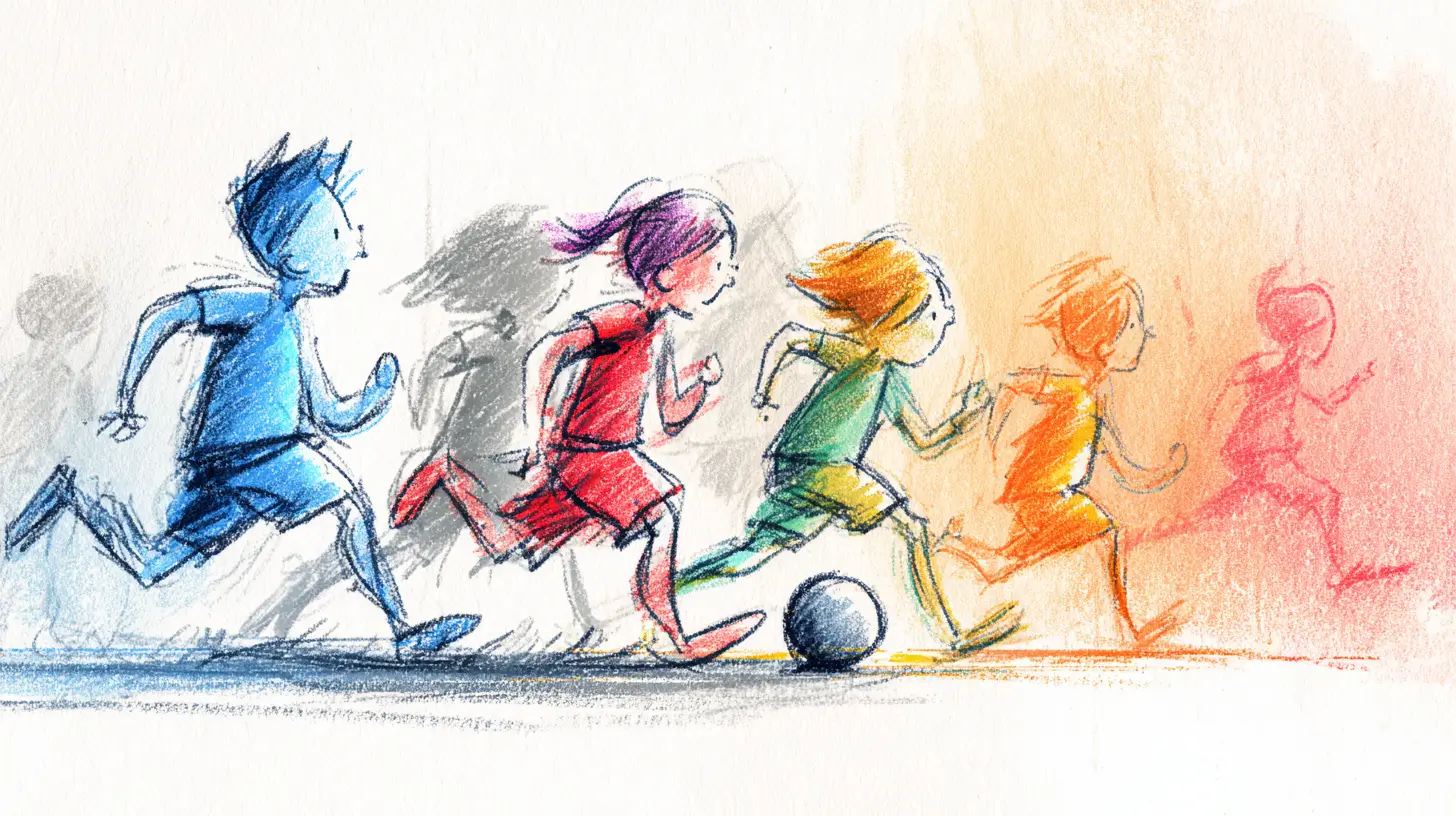
There’s something special about watching kids run across a field, cheering for their teammates, and throwing their hands up in celebration after a hard-earned point. Team sports do so much more than keep children active – they shape their confidence, character, and understanding of the world around them. And while the world of sports for adults often includes things like fantasy leagues or sports betting platforms such as Betbrothers, it’s crucial to maintain clear boundaries and ensure children engage with sports in a healthy, age-appropriate way. As betting becomes more visible through advertising and online platforms, parents play an important role in helping kids understand that their own participation in sports is about teamwork, learning, and joy – not about odds, money, or competition beyond the field.
In an age of screens, academic pressure, and limited social interaction, team sports offer a refreshing space where kids can grow, learn, and simply be kids. Whether your child plays soccer, basketball, volleyball, baseball, hockey, or any other team sport, the experiences they gain stay with them long after the whistle blows. Let’s explore the 10 powerful benefits of team sports for kids, and why so many families consider them an essential part of childhood.
1. Team Sports Build Confidence
Confidence is one of the most noticeable gifts that sports give children. When kids learn a new skill, score a point, or simply improve over time, they begin to trust themselves. Even small moments – like a coach’s praise or a teammate’s high-five – can make a shy child feel seen and valued. Over time, they develop a belief in their abilities, and that confidence spills into school, friendships, and everyday life. Learning that effort leads to progress is one of life’s earliest and most important lessons.
2. They Improve Social Skills
Some kids are naturally outgoing, while others need a bit of encouragement to warm up to others. Team sports are a natural social playground, helping children learn how to communicate, listen, compromise, and collaborate. They start to understand different personalities and discover how to work with people who may not think or act exactly like they do. These early social lessons help kids build healthier relationships in school and at home.
3. They Promote Strong Physical Health
With more kids spending time indoors and in front of screens, staying active is more important than ever. Team sports offer an enjoyable way for children to move their bodies while strengthening their muscles, improving coordination, and boosting cardiovascular health. The best part? It never feels like a chore. Running after a ball or celebrating a team victory creates positive associations with movement, helping kids stay active well into adulthood.
4. They Teach Discipline and Responsibility
From remembering to bring their gear to showing up on time for practice, sports help teach kids what it truly means to be responsible. They begin to understand that their choices affect others-not just themselves. In many ways, it mirrors the discipline seen in the world of horse racing betting, where outsiders may focus on the thrill of the wager, but the real success behind the scenes depends on preparation, routine, and consistent effort. While betting itself relies on chance, jockeys and trainers know that only steady training and commitment determine performance.
For kids, being part of a team requires that same kind of dependable dedication-following instructions, learning plays, and practicing at home. Over time, these habits stick, shaping how they handle schoolwork, chores, and daily routines. The structure they learn through sports lasts far beyond the field, teaching them that genuine achievement always comes from preparation and responsibility, not luck.
5. They Build Resilience and Patience
Every child experiences setbacks. Maybe they miss the winning shot, or maybe their team doesn’t make the playoffs. While these moments can be tough, they teach invaluable lessons about resilience. Kids learn how to cope with disappointment, how to try again, and how progress sometimes takes time. Rather than avoiding challenges, they learn to face them with a stronger mindset. This emotional resilience becomes a powerful tool they carry throughout life.
6. They Strengthen Teamwork Skills
Teamwork is a skill that benefits kids far beyond sports. In every game, kids quickly learn that they can’t do everything alone. They understand the importance of roles-some kids defend, some attack, some encourage from the sidelines. Working together to reach a shared goal teaches cooperation, trust, and empathy. It also shows them the joy of contributing to something bigger than themselves.
7. They Improve Academic Performance
It may seem unrelated, but research consistently shows that physically active kids perform better academically. Sports help children develop focus, discipline, and time-management – all of which support better study habits. Kids who play sports often learn how to structure their day, juggle responsibilities, and set personal goals, making them more organized and motivated in the classroom.
8. They Teach Respect and Sportsmanship
In team sports, respect isn’t optional – it’s essential. Kids quickly realize they must respect their coaches, teammates, referees, and opponents. They learn that games have rules, and those rules exist for fairness. They discover how to win graciously and how to lose with dignity. These values form a foundation for good behavior, helping children grow into respectful, empathetic individuals both on and off the field.
9. They Create a Sense of Belonging
Being part of a team gives kids a powerful sense of belonging. It can be comforting for children-especially those who feel shy or uncertain – to know they have a group where they fit in. The shared experiences, mutual goals, and emotional support create a bond that helps boost a child’s self-esteem. For many kids, their teammates become some of their closest friends.
10. They Create Fun and Lasting Memories
Above all, team sports are fun. The laughter during warm-ups, the excitement of a close game, the inside jokes, the team parties, the thrill of improvement – these moments create memories that kids carry for a lifetime. Long after they’ve grown up, they often look back at their sports years with nostalgia and joy. Childhood is meant to be full of movement, adventure, and friendship, and sports deliver all three.
Final Thoughts
Team sports offer children far more than a hobby. They shape character, build confidence, teach resilience, and help kids form meaningful relationships. Whether your child dreams of becoming a competitive athlete or simply wants to have fun, joining a team can provide experiences that enrich their entire childhood.