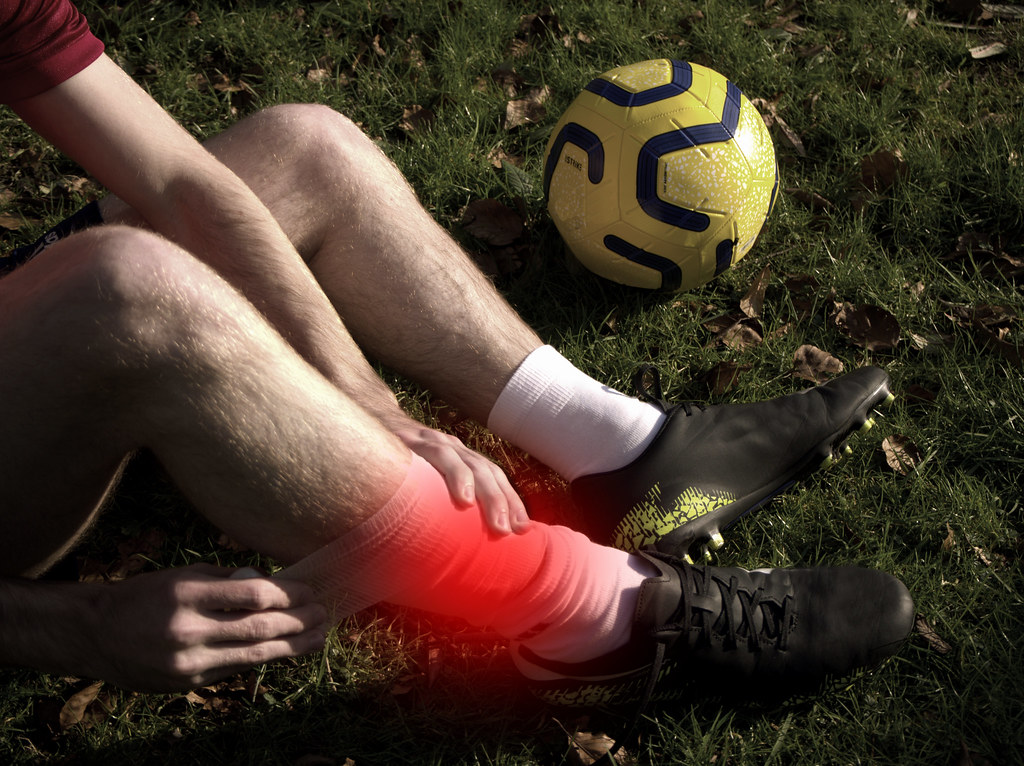
Sports and physical activities are essential for maintaining a healthy lifestyle, boosting mood, and enhancing overall fitness. However, engaging in physical activity comes with the risk of injuries that can sideline your progress and hinder your goals. Whether you’re a casual enthusiast or a dedicated athlete, taking proactive steps to prevent injuries is crucial to enjoying sports safely and consistently.
This article explores practical ways to minimise the risk of sports injuries, including preparation, proper techniques, and recovery strategies. Let’s delve into the essential tips to keep you active and injury-free.
Why Sports Injuries Happen
Sports injuries occur for various reasons, often stemming from a lack of preparation, overtraining, or poor techniques. Some common causes include:
- Overuse: Performing repetitive motions without rest can lead to conditions like tendonitis or stress fractures.
- Inadequate Warm-ups: Skipping this step can leave muscles stiff and prone to tears or strains.
- Improper Equipment: Using outdated or unsuitable gear increases the risk of accidents.
- Neglecting Rest: Without proper recovery, the body becomes more susceptible to injuries over time.
Additionally, sports injuries can influence outcomes in competitive events and even impact sports-related betting. For instance, the performance of athletes and their ability to compete might shift the odds of games or matches. Platforms like https://ndbonus.uk provide a helpful solution by offering ratings of reputable services, including sports-focused platforms with no-deposit bonuses. These resources allow users to safely and responsibly participate in betting or gaming activities while staying informed about the dynamics of sports and outcomes.
Understanding the root causes of injuries and how they affect both personal performance and larger-scale events can help you approach sports with a well-rounded perspective.
Warm-Up and Cool-Down: Non-Negotiable Rituals
A proper warm-up and cool-down are foundational practices to reduce injury risk. Skipping these steps can lead to muscle stiffness, joint stress, and other preventable issues.
Warm-Up
A good warm-up routine prepares your body for the demands of physical activity. Spend 10-15 minutes engaging in light aerobic exercises such as jogging, cycling, or jumping jacks. Follow this with dynamic stretches that mimic the movements of your sport, like arm circles, leg swings, or lunges. This increases flexibility, activates key muscle groups, and enhances performance.
Cool-Down
Cooling down helps your body transition from intense activity to rest. It prevents stiffness and aids recovery by promoting blood circulation. Incorporate gentle stretches for all major muscle groups, holding each position for 15-30 seconds to improve flexibility and reduce soreness.
Strengthen Key Muscle Groups
Building strength in your core and stabilising muscles is critical for injury prevention. These muscles support balance, protect joints, and enhance overall performance.
Core Exercises
The core stabilises your entire body during movement. Incorporate exercises such as:
- Planks (front and side)
- Bird-Dog
- Russian Twists
Joint Stabilisation
Strong stabilising muscles reduce the likelihood of sprains or dislocations. Try:
- Single-Leg Squats to improve ankle and knee stability.
- Resistance Band Rows for shoulder strength.
Regularly targeting these areas will enhance your resilience and decrease injury risks.
Prioritise Proper Technique and Equipment
Proper form reduces the likelihood of strain and ensures efficient movement patterns. Whether running, lifting weights, or playing a specific sport, it’s essential to focus on correct posture and mechanics. Seek guidance from coaches or online tutorials to refine your technique.
Gear Up Safely
Using the right equipment is equally vital. Examples include:
- Shoes: Wear sport-specific footwear with appropriate support and cushioning.
- Protective Gear: Helmets, knee pads, or wrist guards based on your activity.
- Sports-Specific Items: Invest in well-fitted tools like rackets, gloves, or bats.
Rest and Nutrition: The Power Duo
Recovery and proper nutrition are often underestimated but play a major role in preventing sports injuries.
Rest
Overtraining without rest days can lead to overuse injuries and burnout. Schedule at least one rest day per week and get 7-9 hours of sleep per night to allow your body to recover.
Nutrition
Fuel your body with a balanced diet:
- Protein: Repairs muscles after strenuous activity.
- Carbs: Replenish energy stores.
- Healthy Fats: Support joint health and reduce inflammation.
- Hydration: Drink plenty of water to avoid cramps and fatigue.
Listen to Your Body
Paying attention to warning signs can prevent minor aches from escalating into major injuries. Sharp pain, swelling, or prolonged soreness should not be ignored. When in doubt, consult a healthcare professional for advice.
Conclusion
Sports injuries are a common but preventable aspect of staying active. By understanding their causes and incorporating preventative strategies like proper warm-ups, strengthening exercises, and adequate rest, you can significantly reduce your risk. Stay proactive, stay safe, and keep reaching your fitness goalss